AMERICANS UNITED ACTION
GET INVOLVED
Self-governance begins with civic knowledge. Across our federal system, over 500,000 public servants are chosen at federal, state, and local levels to enact policy, manage public funds, and safeguard our constitutional democracy. Explore the hierarchy of leadership and find your direct voice in government.
Independent & Nonpartisan Civic Directory · Updated for Current Terms
MUNICIPAL & COUNTY DOSSIER
GOVERNMENT BEGINS IN
YOUR COMMUNITY
Local officials cast the votes that most directly shape your property tax rates, school standards, policing priorities, and neighborhood development. Learn the distinct mandate of every office on your municipal ballot.
LOCAL • ELECTED
SCHOOL BOARD TRUSTEE
Approves comprehensive K-12 district operating budgets, establishes curricula standards, hires the superintendent, and determines attendance zones and facility maintenance plans.
PRIMARY MANDATE: Educational Policy & District Property Tax
LOCAL • ELECTED
MUNICIPAL MAYOR
Serves as the chief municipal executive, enforcing city ordinances, managing city department heads, proposing the annual city budget, and holding veto authority in strong-mayor jurisdictions.
PRIMARY MANDATE: City Executive Leadership & Public Services
LOCAL • ELECTED
CITY COUNCIL MEMBER
Acts as the municipal legislative authority. Debates and enacts local ordinances, levies sales and property taxes, approves development contracts, and oversees municipal zoning codes.
PRIMARY MANDATE: Municipal Legislation & City Budget Approval
LOCAL • ELECTED
COUNTY COMMISSIONER
Governs unincorporated territory and administers county operations. Controls regional road networks, emergency management programs, courthouse maintenance, and county health clinics.
PRIMARY MANDATE: County Infrastructure & Unincorporated Governance
LOCAL • ELECTED
COUNTY SHERIFF
Serves as the chief elected constitutional law officer in the county. Operates regional jail facilities, executes court warrants, provides courtroom security, and conducts patrols across unincorporated zones.
PRIMARY MANDATE: County Law Enforcement & Detention Administration
LOCAL • ELECTED
DISTRICT ATTORNEY
Holds sovereign prosecutorial discretion regarding felony and misdemeanor criminal charges. Represents the public interest in criminal trials and determines victim assistance and plea protocols.
PRIMARY MANDATE: Criminal Prosecutions & Public Justice Enforcement
LOCAL • ELECTED
COUNTY CLERK & RECORDER
Supervises voter registration, ballot printing, and official tabulations. Serves as custodian of land deeds, property liens, marriage licenses, and public county records.
PRIMARY MANDATE: Election Administration & Public Land Records
LOCAL • ELECTED
COUNTY TREASURER
Collects real property and ad valorem taxes on behalf of cities, school districts, and special entities. Manages municipal debt issuances and safeguards county investment portfolios.
PRIMARY MANDATE: Tax Collection & Public Cash Reserves
LOCAL • JUDICIAL
TRIAL COURT JUDGE
Presides over local civil disputes, criminal arraignments, family custody hearings, and jury trials. Sets bail conditions, rules on evidentiary motions, and delivers binding criminal sentences.
PRIMARY MANDATE: Courtroom Adjudication & Constitutional Due Process
LOCAL • ELECTED
COUNTY ASSESSOR
Catalogs all residential and commercial real estate within the county. Determines fair market property assessments that establish the baseline tax roll for schools, fire, and municipal budgets.
PRIMARY MANDATE: Property Valuation & Tax Roll Determination
LOCAL • ELECTED
TOWNSHIP TRUSTEE
Oversees hyper-local township administration, including rural road paving, volunteer fire protection agreements, indigent relief programs, and historic public cemetery maintenance.
PRIMARY MANDATE: Township Services & Community Emergency Aid
LOCAL • OFFICIAL
COUNTY CORONER
Directs forensic investigations into unexplained, unattended, or violent fatalities. Issues official death certificates, impanels coroner juries, and provides forensic trial testimony.
PRIMARY MANDATE: Medico-Legal Death Investigation & Public Inquests
LOCAL • APPOINTED
CHIEF PUBLIC DEFENDER
Provides constitutionally mandated legal representation to indigent residents facing criminal charges. Guarantees Sixth Amendment legal counsel and advocates against systemic bail abuses.
PRIMARY MANDATE: Indigent Legal Defense & Sixth Amendment Protection
LOCAL • SPECIAL DISTRICT
WATER DISTRICT DIRECTOR
Controls municipal aqueduct systems, groundwater conservation rules, sewer sanitation facilities, and water utility rate structures for regional utility consumers.
PRIMARY MANDATE: Water Utility Security & Resource Conservation
LOCAL • APPOINTED
PLANNING COMMISSIONER
Reviews residential subdivision proposals, evaluates environmental impact disclosures, rules on zoning variances, and drafts the 20-year municipal Master Plan.
PRIMARY MANDATE: Land Use Regulation & Urban Growth Master Plans
LOCAL • ELECTED
MUNICIPAL AUDITOR
Conducts independent forensic evaluations of municipal contracts, department accounts, and federal grants to expose wasteful expenditures and verify legal compliance.
PRIMARY MANDATE: Fiscal Accountability & Anti-Fraud Oversight
LOCAL • SPECIAL DISTRICT
FIRE DISTRICT TRUSTEE
Authorizes millage levies to fund professional fire stations, modern paramedic ambulances, wildfire containment apparatus, and emergency response staffing ratios.
PRIMARY MANDATE: Fire Protection Millages & Emergency Medical Equipment
LOCAL • APPOINTED
PARKS COMMISSIONER
Manages public recreation preserves, municipal athletic complexes, public greenways, and community youth programs while maintaining historical monuments.
PRIMARY MANDATE: Public Recreation, Green Space & Youth Athletics
GEOGRAPHIC JURISDICTIONS & CIVIC MAPS
HOW COUNTY DISTRICTS WORK
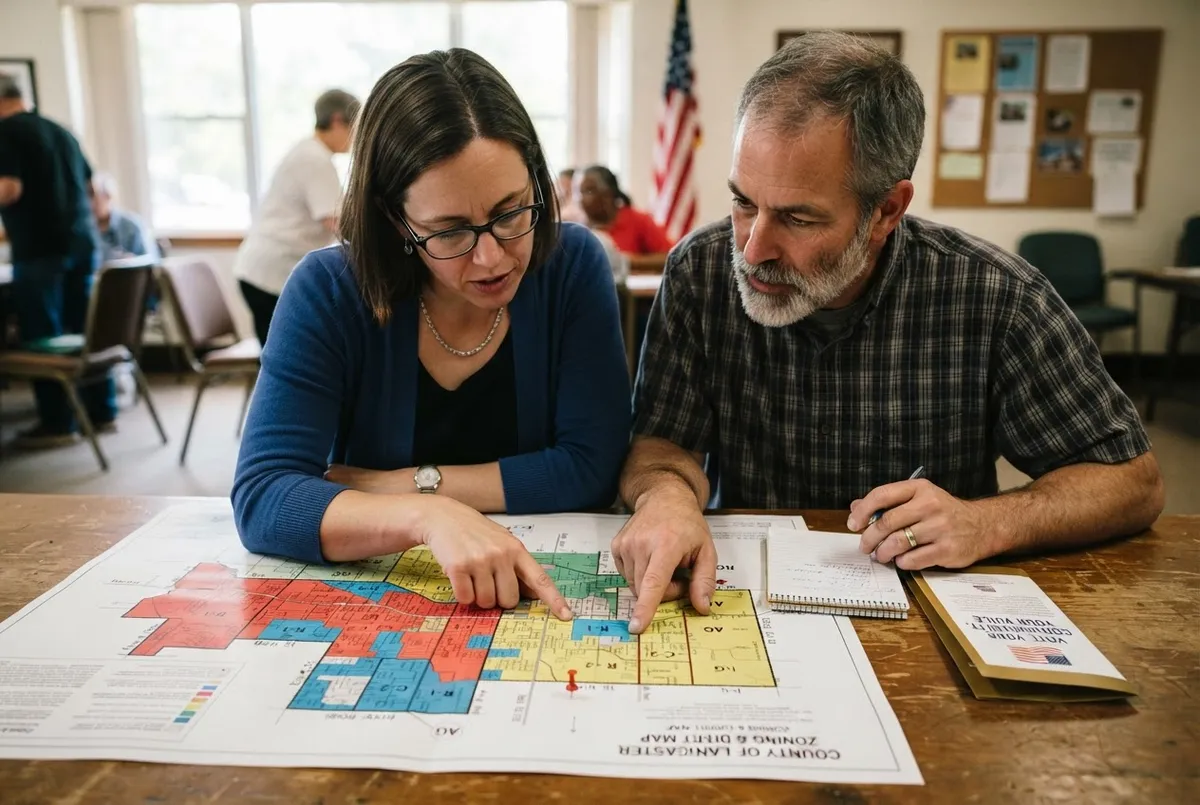
A single residential address belongs to multiple overlapping civic territories at once. Understanding how local municipal limits, county precincts, and regional school zones intersect is the first step toward effective democratic participation.
MUNICIPAL WARDS VS. COUNTY COMMISSIONER PRECINCTS
City councils govern strictly within incorporated town limits, carving neighborhoods into compact municipal wards. In contrast, county commissioners oversee broad, population-balanced precincts that sweep across incorporated cities and rural unincorporated land alike.
- Municipal borders terminate at official city corporation lines
- County precincts encapsulate entire regions, including unincorporated sectors
- Every voter resides in exactly one county precinct, regardless of town charter

INDEPENDENT SCHOOL BOARDS & LEGISLATIVE BOUNDARIES
School boards operate as autonomous taxing authorities whose attendance zones rarely align with municipal or county perimeters. Meanwhile, state legislative and senate districts are drawn based on statewide population quotas, frequently linking parts of multiple counties into one legislative seat.
- School district lines can slice through subdivisions and multiple cities
- State house and senate districts cross county borders to balance voter census headcounts
- Your ballot precinct combines these layers into a custom localized slate
STATE EXECUTIVE & LEGISLATIVE JURISDICTION
GOVERNMENT BEGINS IN
YOUR COMMUNITY
While civic accountability originates locally, state executive enforcement and legislative chambers enact statutory law, manage public revenues, and define jurisdictional policies that shape every municipality.
EXECUTIVE BRANCH
THE GOVERNOR
Serves as chief executive officer of the commonwealth, commanding state administrative agencies, directing executive orders, and executing public safety directives across all counties.
- Directs cabinet agencies and statewide operations
- Issues binding executive orders and emergency acts
- Holds statutory veto power over legislative bills
- Prepares and submits annual comprehensive state budgets
STATE ADMINISTRATION
SECRETARY OF STATE
Leads official election certification, maintains voter roll integrity, manages corporate business entity registrations, and preserves historical statutory archives of the state.
- Oversees statewide election systems and ballot certification
- Registers commercial business entities and corporate charters
- Maintains the Great Seal and official state government archives
- Administers lobbyist transparency and disclosure registries
LEGISLATIVE BRANCH
STATE LEGISLATORS
Elected state senators and state representatives drafting statutory laws, appropriating public fiscal funding, and providing constitutional oversight over executive agency programs.
- Authors, amends, and enacts state statutory policy
- Authorizes state fiscal budgets and tax expenditures
- Conducts public oversight committee investigations
- Approves judicial confirmations and gubernatorial appointments
DEFEND AMERICAN SELF-GOVERNANCE
JOIN THE ACTION
Democracy is not a spectator sport. Put your name to the civic contract, track critical votes as they happen, and ensure your local and state representatives answer directly to the people they serve.
★ 100% Non-Partisan • Free Civic Representation Alerts • Active Citizens
NON-PARTISAN CIVIC ALLIANCE
AMERICANS UNITED ACTION
Americans United Action is dedicated to strengthening representative democracy by providing citizens with accessible, non-partisan directories of their local, county, and state representatives. Empowering civic literacy, district clarity, and constitutional accountability nationwide.


Copyright © 2026 Americans United Action. All rights reserved. Non-partisan civic education platform compiling publicly accessible government data.